windowslow-level

Object Overloading

In this post we are going to look at one such technique that I thought was cool while playing around with the Windows Object Manager, and which should allow us to load an arbitrary DLL of our creation into a Windows process during initial execution, something that I've been calling "Object Overloading" for reasons which will hopefully become apparent in this post.

Read More »

dotnetlow-level

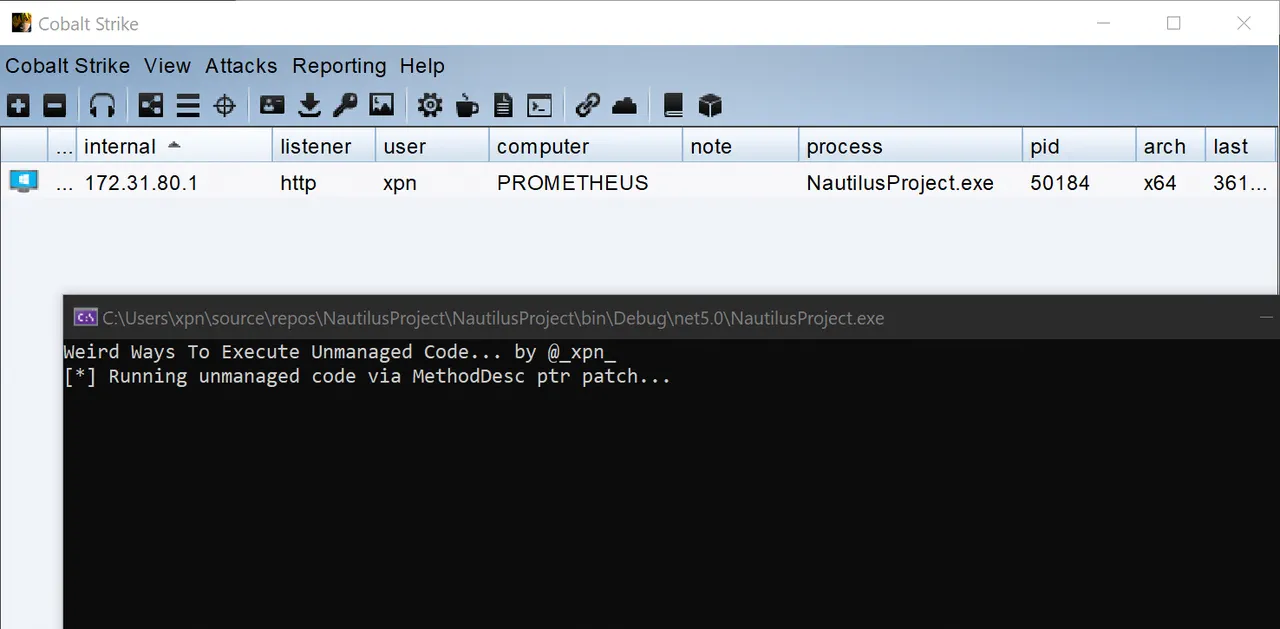
Weird Ways to Run Unmanaged Code in .NET

Recently I've been looking at the .NET CLR internals and wanted to understand what further techniques may be available for executing unmanaged code from the managed runtime. This post contains a snipped of some of the weird techniques that I found.

Read More »
azureredteamc2

Azure Application Proxy C2

In this post, we are going to look at the Application Proxy protocol, how it works, and show how we can recreate enough functionality to allow us to create a custom inbound proxy into a client environment for our C2 traffic.

Read More »
redteamcobaltstrike

Tailoring Cobalt Strike on Target

We've all been there, you've completed your initial recon, sent in your emails to gather those leaked HTTP headers, spent an age configuring your malleable profile to be just right, set up your CDNs and spun up your redirectors. Then it's time, you send in your email aaaaaand... nothing.

Read More »
macosredteam

Bring Your Own VM - Mac Edition

For a while I've wanted to explore the concept of leveraging a virtual machine on target during an engagement. The thought of having implant logic self-contained and running under a different OS to the base seems pretty interesting. But more so, I've been curious as to just how far traditional AV and EDR can go to detect malicious activity when running from a different virtual environment. While this is a nice idea, the issues with creating this type of malware are obvious, with increased comple...

Read More »
reversing.netlow-level

The .NET Export Portal

While working on some tooling recently I revisited the topic of .NET unmanaged exports and wanted to know just why this works in the way that it does. After all, by now we've all seen the COM calls required to spin up the CLR, so what makes unmanaged exports so special?

Read More »
macoslow-level

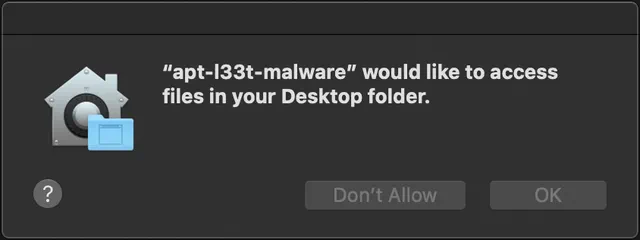
We Need To Talk About MACL

If you've never heard of MACL on MacOS, you're not alone. This obscure feature is a hidden part of MacOS that underpins Apple's concept of User-Intent, a shift in focus for MacOS privacy controls in an attempt to stop endless prompts interrupting the user. And by now we all understand just how annoying these alerts can be to us attackers. Being able to operate on an endpoint without giving the game away is of course essential, and unfortunately staying under the radar on MacOS is getting toughe

Read More »
macoslow-levelredteam

MacOS Injection via Third Party Frameworks

In this post, we are going to take a look at a couple of interesting methods of leveraging third-party technologies to achieve our code injection goals. For us, this translates to running code in the context of a target application without having to resort to disabling SIP.

Read More »
.netwindows

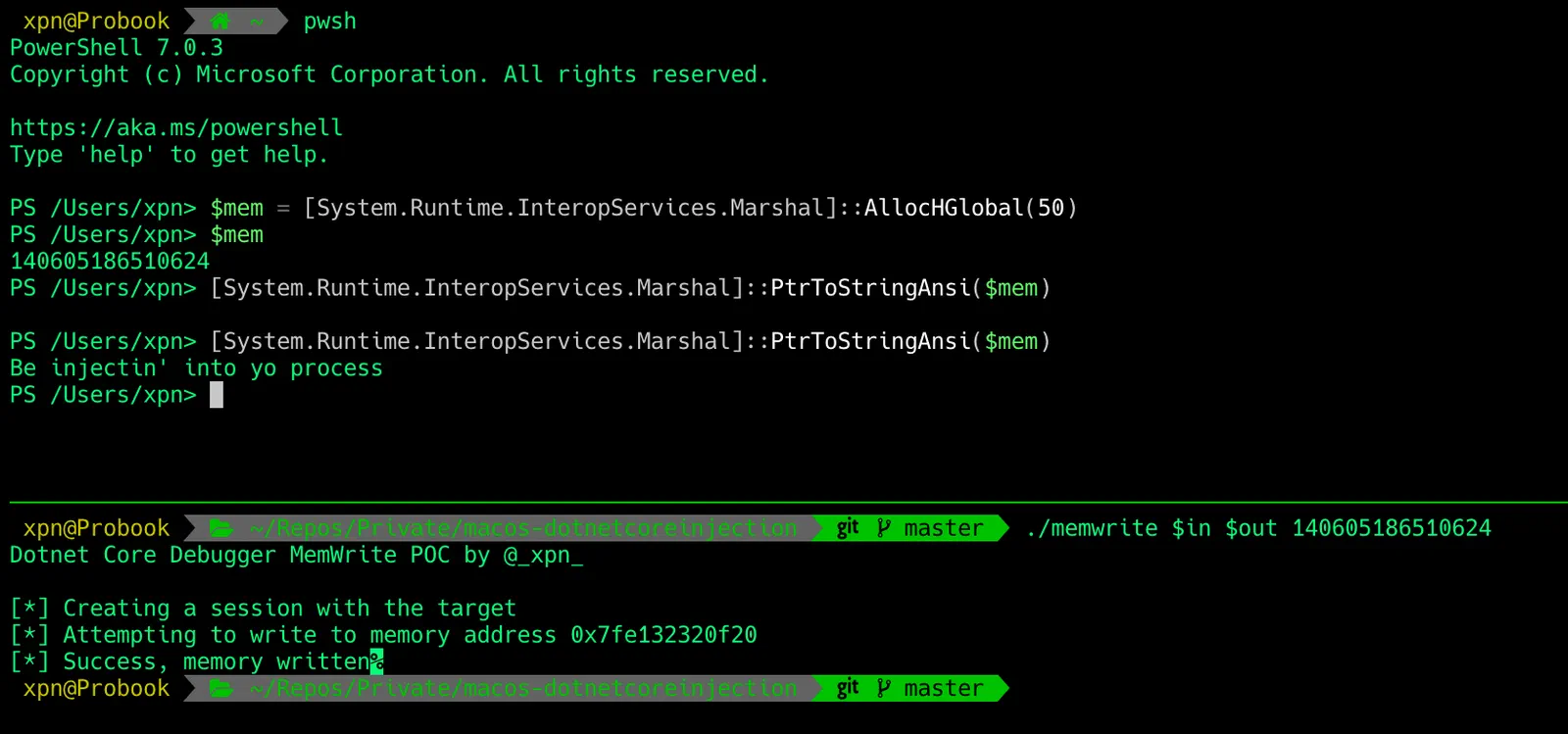
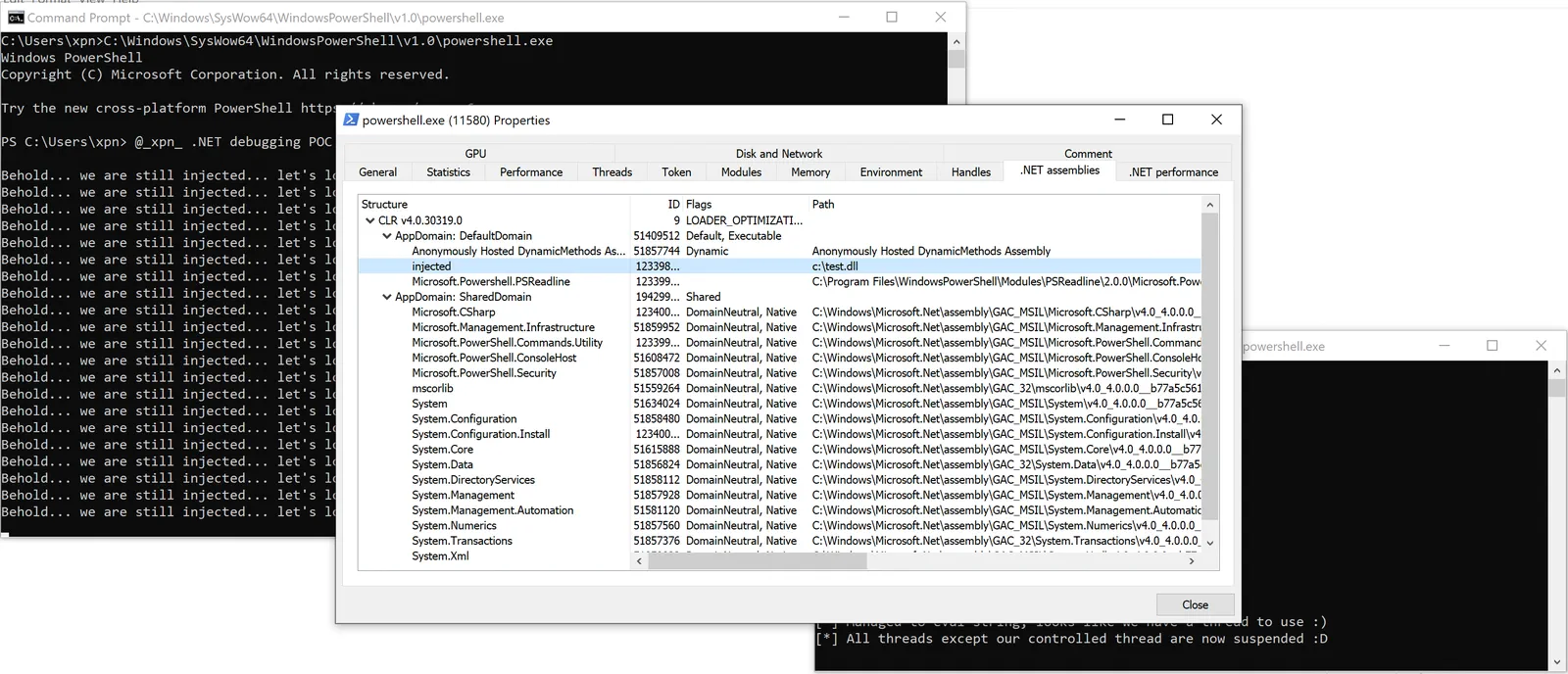
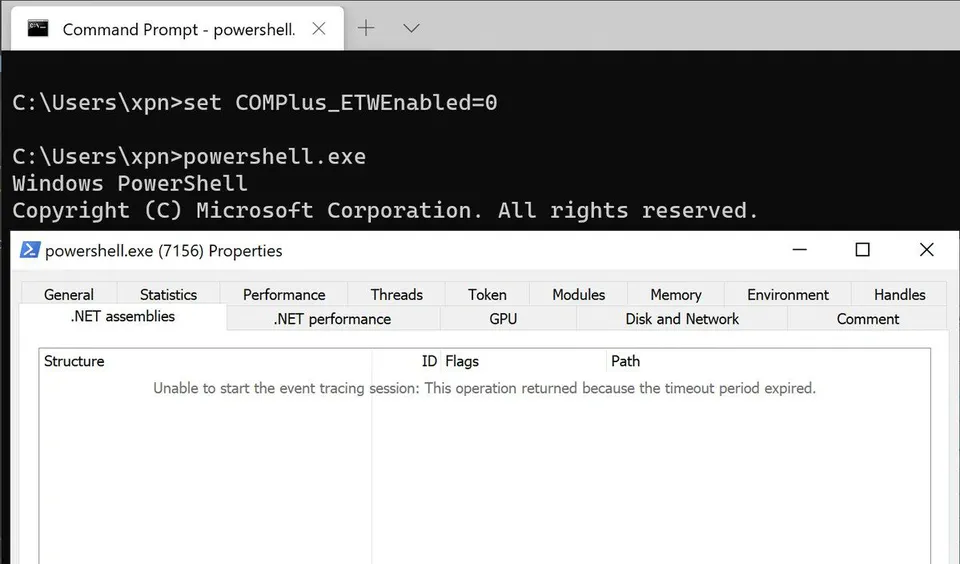
Debugging into .NET

.NET for post-exploitation is here to stay. It has been bundled with most C2 frameworks, common tools have been ported, AMSI has been added (then bypassed) and new and clever ways have been found to launch unmanaged code. The process of loading a .NET assembly however appears to be pretty consistent. We know that tools like Cobalt Strike's execute-assembly have greatly increased the accessibility of loading a .NET assembly from memory, with most attackers using this in one way or another during

Read More »