low-levelmimikatz

Exploring Mimikatz - Part 2 - SSP

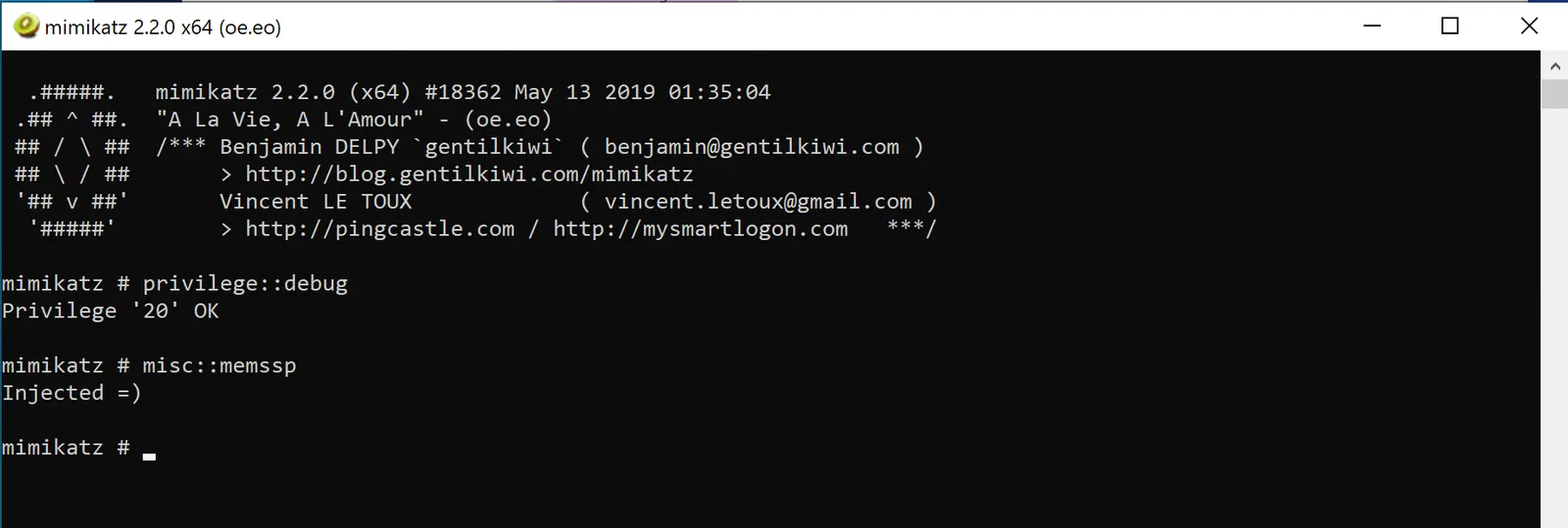
If you haven't had a chance to check it out, take a look here. Continuing on, in this post we will review what has become a nice way of subverting security controls added by Microsoft to prevent dumping of credentials, as well as extracting credentials as they are provided by a victim.

Read More »
low-levelmimikatz

Exploring Mimikatz - Part 1 - WDigest

We’ve packed it, we’ve wrapped it, we’ve injected it and powershell’d it, and now we've settled on feeding it a memory dump, and still Mimikatz remains the tool of choice when extracting credentials from lsass on Windows systems. Of course this is due to the fact that with each new security control introduced by Microsoft, GentilKiwi always has a trick or two up his sleeve. If you have ever looked at the effort that goes into Mimikatz, this is no easy task, with

Read More »
low-level.net

Building, Modifying, and Packing with Azure DevOps

In this post I will be showing how to build a Azure DevOps pipeline for .NET projects, and hopefully show some techniques which I have found useful to modify build artifacts to make them a bit different, and in some cases, to increase the time it takes to analyse our tools if detected by Blue Team.

Read More »
redteamactive directoryazuread

Azure AD Connect for Red Teamers

With clients increasingly relying on cloud services from Azure, one of the technologies that has been my radar for a while is Azure AD. For those who have not had the opportunity to work with this, the concept is simple, by extending authentication beyond on-prem Active Directory, users can authenticate with their AD credentials against Microsoft services such as Azure, Office365, Sharepoint, and hundreds of third

Read More »
cobalt strikelow-level

How to Argue like Cobalt Strike

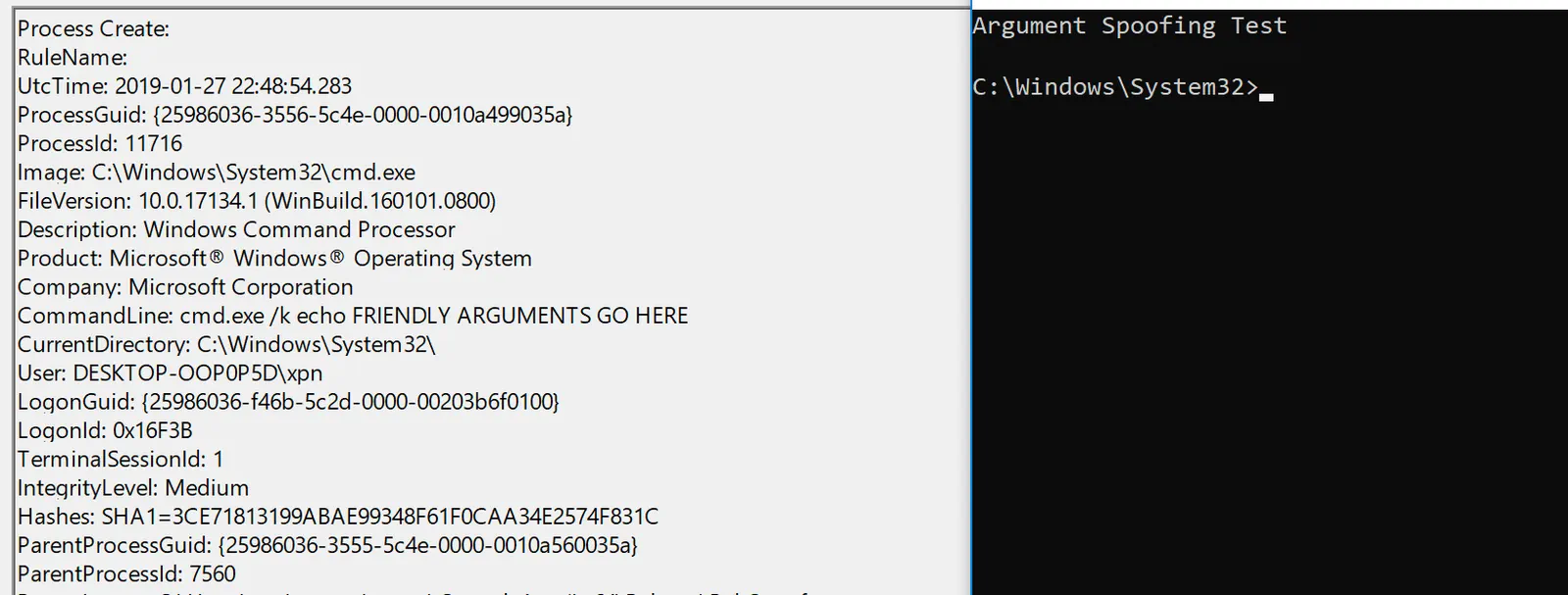
In Cobalt Strike 3.13, the argue command was introduced as a way of taking advantage of argument spoofing. I was first made aware of the concept while watching Will Burgess's awesome talk RedTeaming in the EDR Age, with Will crediting Casey Smith who presented the idea during a series of tweets. As with anything introduced to Cobalt Strike which has the chance to improve operational security, I wanted to dig into the concept further to see just how

Read More »
c2redteam

ActiveBreach, powered by Ethereum Blockchain

I’m not actually sure when the abstraction of Blockchain started or when it became such a marketing buzzword, but with so many things claiming to be “Powered by The Blockchain”, I wanted to dig into the technology to understand if there was any benefit to be had by an aggressor.

Read More »
windowsreversing

Cisco AMP - Bypassing Self-Protection

Sometimes when you are in the middle of an engagement, you will come across a hurdle which requires a quick bit of research, coding, and a little bit of luck. This was the case with a recent engagement in which we came across Cisco AMP, an endpoint protection technology which provides analysis of processes, provides spawn chains, and exposed a bunch of the other goodies you have come to expect from EDR products, including our old friend…. self-protection. We’ve explored self-protection t

Read More »
windowspowershell

AppLocker CLM Bypass via COM

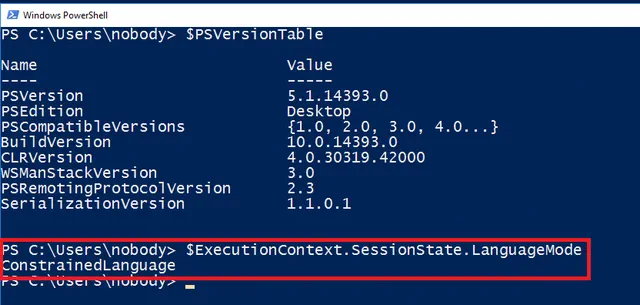
Constrained Language Mode is a method of restricting Powershell's access to functionality such as Add-Type, or many of the reflective methods which can be used to leverage the Powershell runtime as a launchbed for post-exploitation tooling. Despite what Microsoft may claim, this feature is very much being used as a security control, providing defenders with the ability to stop tools such as "Invoke-Mimikatz" from executing due to the heavy reliance on reflection techniques . As I was getting

Read More »